The fertile void
A few weeks after Transifex was acquired in 2022, once the celebration period faded, people (and my own inner voice) kept asking me the exact same question:
"Great! What’s next?"
Some people asked it directly, others implied it. Οthers, when I said "I'm not sure what's next, we'll see" looked at me disapproving and slightly disappointed.
There was this need for a "next big thing" that hung in the air. And the truth is, a part of me had also internalized this need long before anyone said it out loud.
My gut reaction was to call the period after closing this major part of my life a "sabbatical for some months". I needed this void to be defined somehow, to have a shape, an exit, a horizon, almost apologize for it. For sure it needed timeboxing, lest it become a "years long" period. Or, god forbid, a permanent place.
Having a well-defined "next stage" is such a normal and expected stance that it almost passes as innocent. They say "you can go anywhere as long as you know your destination and your very next step".
Once a writer publishes a meaningful book, they should already know the plot of the next one (which of course needs to be an even bigger success). Before finishing celebrating a win, heck, before even finishing the level we are on, our mind is already on the next adventure.
We have romanticized this well-informed goal-setting posture so deeply that some treat it as part of the very definition of being human: there is that old Greek image, “ἄνθρωπος ἄνω θρώσκω” — the human as the creature who looks upward, who aims higher, who rises.
It is a beautiful image.
It also quietly hides a demand: that a healthy life must always be ascending, it must have a forward, ascending motion. And "forward" is defined in relation to the world, to others, it's the Δ(speed), relative to externally-facing achievement-based factors.
Stage exiting and leveling up
In the period after the Transifex acquisition, I deliberately resisted dwelling on answering the "What's next?" question.
It wasn't easy. What makes it even harder is when you spend so much effort on one big project like a startup. You become it, your coordinates in the world are relative to that project. "Who are you"? "I'm an entrepreneur, a CEO, a tech lead, a doctor, a father of two teenagers" — something relative to the massive project you started.
We are shaped to behave relative to externally-mirrored achievements from a very young age. School is all about grades, which the system strives to make not only judged by external factors, but also be objective, absolute, unquestionable.
Laziness is a word people use too casually, often to shame states we do not understand. If I'm not being seen in motion, who am I seen as? Am I being lazy? If there is no immediate next mountain, what story do I tell to others and to myself?
Periods of "slow" moment can be very hard to accept, especially if you’ve spent years being driven, ambitious, effective, admired. They can be boring, uncomfortable, even frightening. Feeling weird in these moments does not mean something has gone wrong, but simply that we had forgotten we were not designed to live in a permanent sprint.
The world has trained us to confuse expansion with aliveness.
More projects.
More success and money.
More visibility and promotions.
More momentum.
More goals.
Being a high-achiever makes you often afraid that if you stop, you'll lose your edge forever. What happens when I am no longer being mirrored back to myself as impressive, productive, or on my way somewhere? No longer receiving that reflected worth can become really threatening.
On Being Still
Success, hard work, ambition are all beautiful things that drive the world forward, create innovation and amazing startups. In these moments, your energy naturally turns outward, toward building, proving, stretching, creating, expanding, providing.
I’ve lived inside those seasons where hard work is all you can think of, and I don’t reject them at all. There are periods in life where intense focus, long hours, discipline, and striving feel deeply true. I understand that life, I've been there. I respect and admire it. These periods create phenomenal results, successful startups, win championships, scholarships and positions in universities.
At the same time, the older I get, the less obvious it seems to me that we should always be in such periods, always be maximizing. The same person can be highly driven to climb mount Everest in one phase and deeply uninterested in snow in another. There are periods where we don't need (or maybe want) to be ambitious, where nothing is asking to be chased.
I had the privilege of being friends with, and climbing alongside, the amazing Yiannis Torelli, one of the best rock climbers in Greece. One month, he would be obsessed with free-climbing a 500-meter overhanging granite route that had never been climbed before. A few months later, rock climbing would hold no interest for him at all. He would sit for hours on tree branches, watching other people climb, waiting for a waterfall to freeze so he could move on to ice climbing.
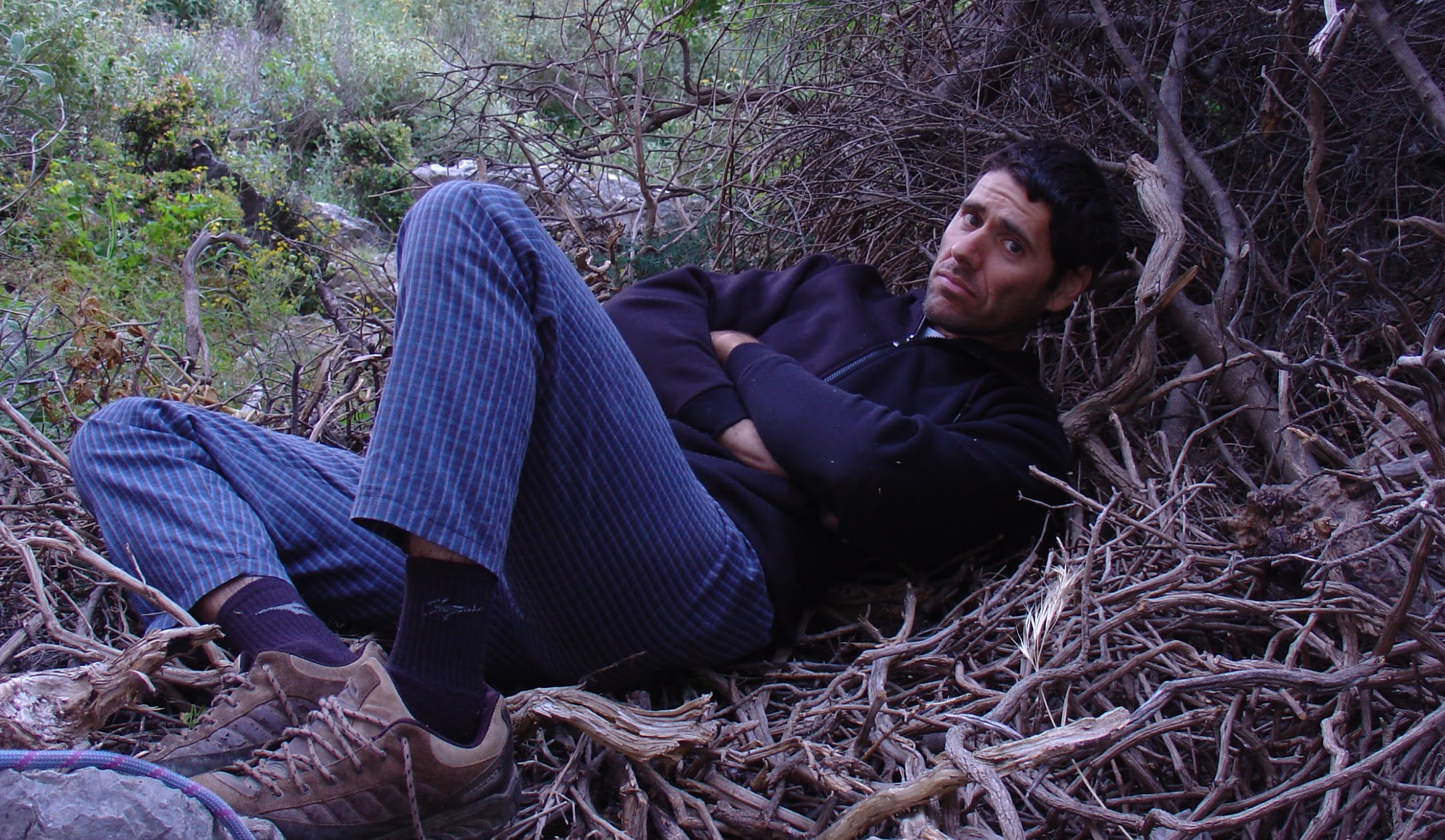
We have "slow" moments (whether it's a multi-year rest, a sabbatical, an August, or an afternoon sitting on branches) where we are privileged to deeply appreciate stillness, being present, family, love, a slower day, an unstructured afternoon, a conversation, raising a child, a meal, or carelessly walking our dog. Not because we are failing to remain ambitious in that moment — ambition is just quiet in those moments and we are able to understand meaning differently then.
Some body and mind states are not there to produce. They are there to restore proportion.
Those moments can be an afternoon, a weekend, a sabbatical. Great CEOs encourage their teammates to truly disconnect from work when they're off and be present. Because it's important to have moments where attention turns toward digestion, integration, presence, family, quiet, recovery. Being present in these moments means you simply are, and you aren't thinking of what's next.
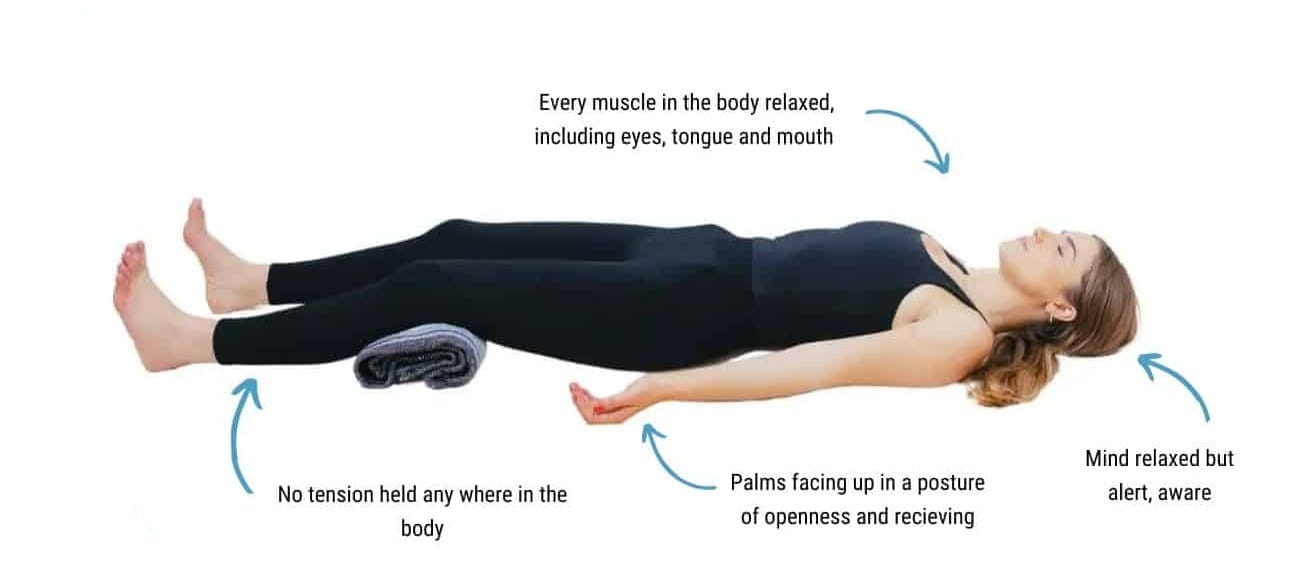
Being truly present in stillness is not only OK, it's actually super healthy. It is not avoidance of action. It is the deliberate refusal to keep being in relative motion just because motion is what we have learned to admire.
The Fertile Void
I've worked to appreciate being present in this emptiness. Gestalt therapy has a beautiful name for this living interval of not-knowing: "the fertile void". A kind of relaxed zero-point where the next figure has not yet emerged. Requesting an answer interrupts that state and forces the collapse of the current phase. It is like asking too early what something is, when its value is precisely that it still holds several possible forms.
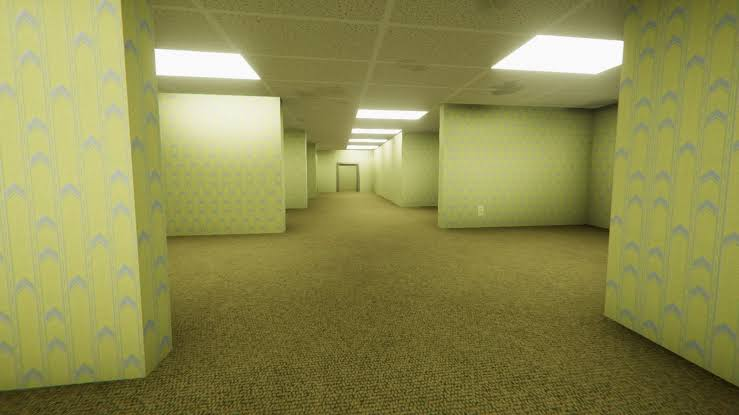
A fertile void is not deadness, it's not idling. It is emptiness, but alive emptiness. It's a backroom that feels spacious, not frightening. It is asking for presence and sensitivity. It's a silence not eager to be filled.
One of the mistakes we make in moments like this is trying to justify them by what they might later produce. As if the void is only acceptable if it eventually becomes a better company, a new plan, a higher salary, a better self. But maybe some seasons are not there to become anything yet.
Maybe their work is quieter: to let us stop manufacturing the next desire, and listen more closely to what is already here.